 0404 631 101
Self-control may not be the first quality parents think about when they hear the words “martial arts,” but it is one of the most important skills students can develop through structured training.
Martial arts is not only about kicks, punches or physical technique. It also requires students to learn how to control their movements, remain focused, follow instructions and respond responsibly under pressure.
For children, practising kids martial arts in Marrickville can provide opportunities to develop focus, confidence and greater awareness of how they move.
Whether a student is learning Karate, Tae Kwon Do, Judo or another discipline, quality Martial Arts In Marrickville training should always place strong emphasis on control, technique, safety and responsible behaviour.
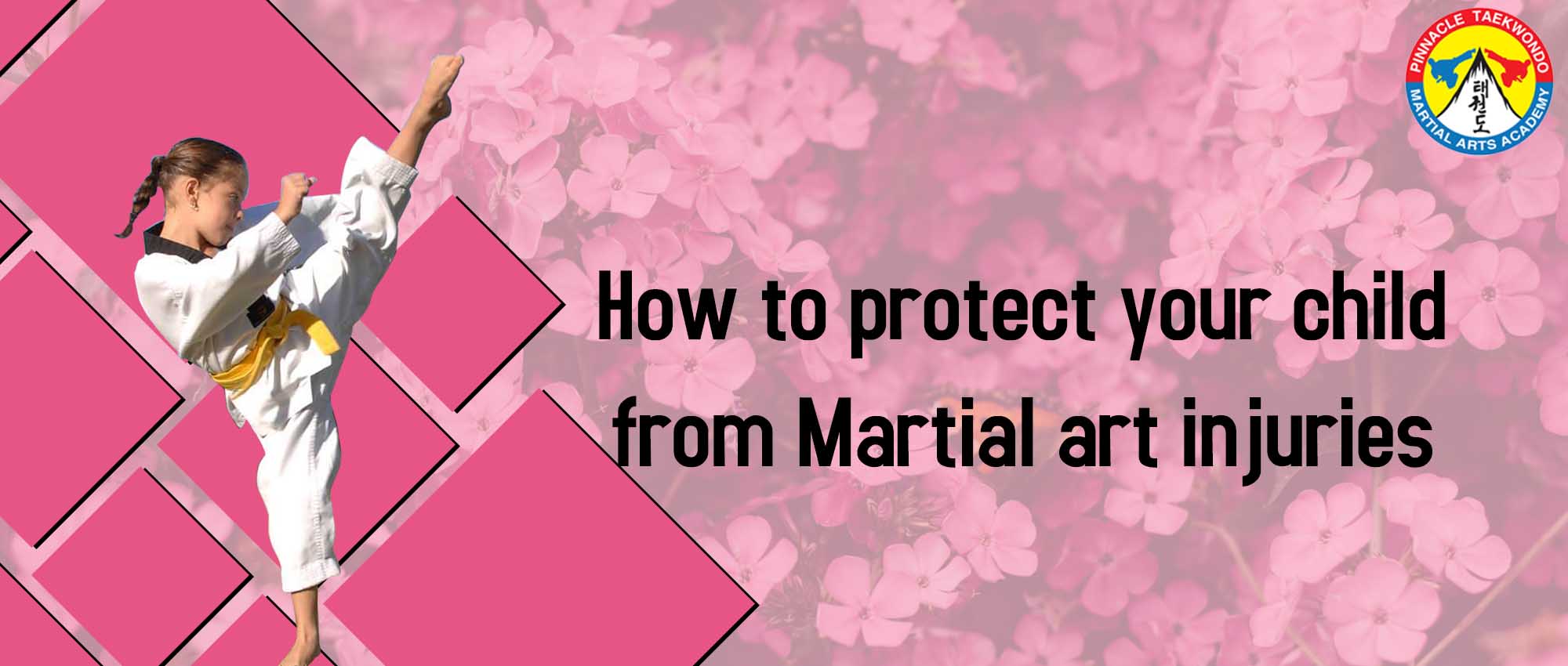
Why Self-Control Matters in Martial Arts
Martial arts techniques can be powerful, which is exactly why students need to learn control.
Good martial arts training teaches children that knowing how to perform a technique also means understanding when and how it should be used.
Students should learn to:
- Control their movements
- Listen carefully
- Follow class rules
- Respect instructors and training partners
- Avoid unnecessary aggression
- Stay calm when frustrated
- Use physical techniques responsibly
This balance between physical ability and mental control can help create safer and more disciplined martial artists.
Mind and Body Should Work Together
Martial arts requires more than physical strength.
Students need to think, observe, listen and move at the same time.
When a child performs a technique without proper focus or body awareness, their movement may become less controlled.
By contrast, good instruction encourages students to pay attention to:
- Balance
- Positioning
- Timing
- Technique
- Breathing
- Distance
- Control
This mind-body connection is an important part of martial arts development.
Can Injuries Happen in Martial Arts?
Like any physical activity or sport, martial arts carries some risk of injury.
However, many risks can be reduced through good instruction, appropriate equipment, controlled training and proper preparation.
The goal should never be to make students afraid of participation.
Instead, parents and students should understand what safe training looks like.
Common Types of Martial Arts Injuries
Depending on the activity and level of contact, students may occasionally experience minor or more significant injuries.
These can include:
- Bruises
- Muscle strains
- Sprains
- Minor cuts or abrasions
- Finger or wrist injuries
- Ankle or knee injuries
- Foot or toe injuries
More serious injuries are possible in contact activities, which is why supervision and appropriate safety practices matter.
Lower-Body Injuries
Martial arts frequently involves kicking, jumping and changing direction.
Poor technique, awkward landings or excessive force can place additional stress on areas such as:
- Ankles
- Knees
- Thighs
- Feet
- Toes
Students should learn kicking technique progressively and avoid trying to kick higher or harder than they can control.
Upper-Body Injuries
Punching, blocking and partner drills can place stress on the hands, wrists and arms if performed incorrectly.
Students should be taught proper technique before increasing speed or power.
Good alignment and control can make a major difference.
Head Injuries Need to Be Taken Seriously
Any activity involving contact can carry a risk of head injury.
Students who experience a significant impact, dizziness, confusion, headache, balance problems or other concerning symptoms should stop training and be assessed appropriately.
Head injuries should never be treated casually.
Responsible martial arts training should prioritise safety over finishing a drill, class or competition.
How to Reduce Injury Risk in Martial Arts
The best approach to injury prevention is good preparation and responsible training.
Several factors can influence how safely children participate in martial arts.
1. Choose a Qualified and Supportive Instructor
The instructor plays a major role in creating a safe training environment.
A good instructor should:
- Explain techniques clearly
- Correct unsafe movement
- Match drills to student ability
- Supervise contact activities
- Encourage control
- Maintain class discipline
- Prioritise safety
For children, the teaching style is especially important.
Young students should feel challenged without being pushed beyond what is appropriate for their age or experience.
2. Train in a Safe Environment
The training area should be clean, organised and suitable for martial arts practice.
A quality academy should provide:
- Well-maintained flooring
- Appropriate training mats
- Enough space between students
- Safe training equipment
- Clear class organisation
At Martial Arts Marrickville, parents should look for a training environment where children can move comfortably and practise under proper supervision.
3. Use Appropriate Protective Equipment
Protective equipment can play an important role during certain martial arts activities.
Depending on the discipline and type of training, students may use:
- Head protection
- Shin guards
- Foot guards
- Forearm protection
- Chest protectors
- Mouthguards
- Other approved protective gear
Equipment should fit properly and be suitable for the activity being performed.
Protective gear does not remove all risk, but it can help reduce the severity of some injuries.
4. Warm Up Properly
A structured warm-up prepares the body for more demanding movement.
Children should not move straight into high kicks, fast combinations or intense drills without first warming up.
A warm-up may include:
- Light movement
- Mobility exercises
- Gentle dynamic stretching
- Footwork
- Progressive technique drills
This helps students prepare physically and mentally for class.
5. Cool Down After Training
After demanding activity, a gradual cool-down can help students transition back to a resting state.
This may involve:
- Gentle movement
- Light stretching
- Controlled breathing
- Relaxation
The aim is to finish training in a calm and controlled way.
6. Stay Hydrated
Children can easily become distracted and forget to drink water.
Parents should make sure their child arrives with a filled water bottle and has been drinking regularly throughout the day.
Hydration becomes especially important during:
- Hot weather
- Long classes
- High-intensity training
- Competitions
Good hydration can help children feel more comfortable during physical activity.
7. Support Training With Good Nutrition and Rest
Children need enough energy and recovery to participate effectively.
A balanced diet, sufficient sleep and regular hydration can all support better training.
Parents should also avoid pushing children to attend intense classes when they are exhausted, unwell or recovering from injury.
Recovery is part of training.
8. Encourage Children to Speak Up
Kids should feel comfortable telling their instructor or parent when something hurts or feels wrong.
They should never feel pressured to hide pain just to continue training.
Parents can reinforce this by explaining that speaking up is responsible, not weak.
This can help prevent minor problems from becoming more serious.
9. Follow Instructor Guidance
Children often become excited and may want to try advanced techniques before they are ready.
Parents can help by reinforcing the importance of:
- Following instructions
- Progressing step by step
- Avoiding unsupervised techniques
- Practising safely
- Respecting training partners
Good habits create better long-term progress.
Why Age-Appropriate Training Matters
Children are still developing physically and mentally.
That is why Kid’s Martial Arts Marrickville should be designed around the age and ability of the student.
Age-appropriate training can help children develop:
- Coordination
- Balance
- Focus
- Confidence
- Discipline
- Self-control
- Safe technique
- Respect
The right program should challenge children without overwhelming them.
Martial Arts Should Build Confidence, Not Fear
Some children may initially think martial arts means fighting, pain or getting hurt.
A quality academy should quickly change that perception.
Martial arts should be taught as a structured discipline that focuses on:
- Skill
- Control
- Respect
- Safety
- Confidence
- Responsible self-defence
The aim is not to create aggressive students.
It is to help students become more capable and more controlled.
Why Self-Control Is a Key Martial Arts Skill
As children progress, they may become stronger, faster and more technically capable.
That makes self-control even more important.
A skilled student should understand that martial arts ability comes with responsibility.
The best martial artist is not the person who uses the most force.
It is the person who knows how to control it.
Choose the Right Martial Arts Academy in Marrickville
When selecting a martial arts academy for your child, look beyond convenience alone.
Consider:
- Instructor quality
- Safety standards
- Class structure
- Age-specific training
- Protective equipment
- Student supervision
- Positive reinforcement
- Clear discipline
The right environment can make a major difference to your child’s experience.
Start Kids Martial Arts Training With Pinnacle Martial Arts
Pinnacle Martial Arts In Marrickville provides structured martial arts training designed to help students develop confidence, focus, discipline and physical skills in a supportive environment.
For younger students, Kids Martial Arts Marrickville can provide age-appropriate opportunities to learn safe movement, self-control and martial arts technique.
Build confidence. Learn control. Train safely with Pinnacle Martial Arts Marrickville.
These are some ways to reduce the risks of injuries for Martial Arts kids. We, at Pinnacle Kids Martial Arts In Marrickville, provide the best of care to all the kids enrolled with us by providing the best Martial arts training, service, and facilities. Contact us
Pinnacle Martial Arts programs in Sydney will benefit your child!
Pinnacle Martial Arts for Character Development, Physical Development and proven Martial Arts Self Defence.
Character Development:
Confidence, Life Skills, Discipline, Self-Control & Focus
Physical Development:
Fitness, Motor Skills, Strength, Balance, Agility & Power
or Contact us on 0410 686 585
Website: pinnaclemartialarts.com.au
Email: info@pinnaclemartialarts.com.au
Facebook: www.facebook.com/sydneypinnaclema
Instagram: www.instagram.com/pinnaclemartialartssydney
Sign Up for the Best Martial Arts in Marrickville Inner West Sydney
Convenient Sydney Locations for Pinnacle Taekwondo Martial Arts Near Me
📍 Pinnacle Karate Martial Arts Marrickville (Headquarters) 23 Yabsley Ave, Marrickville, Inner West Sydney
📍 Pinnacle Taekwondo Martial Arts in Chester Hill 12 Banool St, Chester Hill, Bankstown Area, Southwest Sydney
📍 Pinnacle Taekwondo Martial Arts in Penrith Penrith Baptist Church, Morello Terrace, Caddens, Western Sydney
📍 Pinnacle Karate Martial Arts in Earlwood (Canterbury Bankstown Area) Martial Arts, Fitness, and Karate Self-Defence Programs Across Sydney
#Taekwondo #TaekwondoSydney #MartialArtsSydney #Karate #SelfDefence #MartialArts #ConfidenceBoost #MartialArtsMarrickville