 0404 631 101
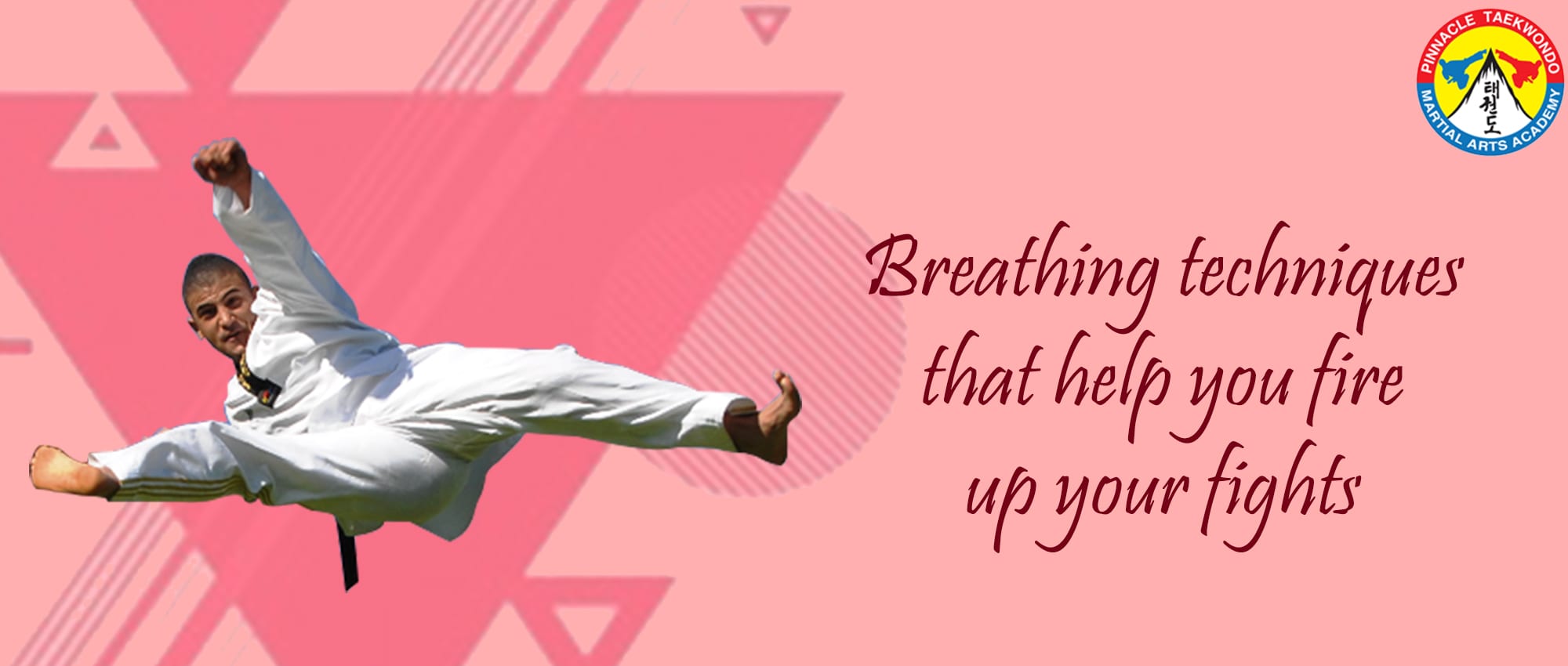
Breathing is one of the most important skills students develop during martial art classes.
At Pinnacle Martial Arts In Marrickville, students learn that strong martial arts performance is not only about kicks, strikes, speed or strength.
Good breathing can also support focus, movement, control, endurance and composure.
Knowing a martial arts technique is one thing. Performing it efficiently while remaining balanced and controlled is another.
That is why breathing should become a natural part of every student’s training.
Why Breathing Is Important in Martial Arts
During martial arts training, the body is constantly working.
Students may be:
- Kicking
- Striking
- Moving through combinations
- Changing direction
- Practicing forms
- Working with partners
- Completing conditioning exercises
If breathing becomes irregular or unnecessarily tense, movement can also become less efficient.
Learning to breathe naturally and rhythmically can help students stay more relaxed and focused throughout training.
At Pinnacle Martial Arts Marrickville, breathing is treated as part of developing better overall martial arts technique.
Abdominal Breathing in Martial Arts
One useful breathing method for martial artists is often referred to as abdominal or diaphragmatic breathing.
Instead of lifting the shoulders and breathing only into the upper chest, students can practice allowing the abdomen to expand naturally as they inhale.
This can encourage a calmer and more efficient breathing pattern.
When practicing controlled breathing:
- Keep the shoulders relaxed
- Maintain good posture
- Allow the abdomen to expand naturally
- Avoid unnecessary tension
- Exhale smoothly
The aim is not to force huge breaths.
It is to breathe comfortably while maintaining good control.
Coordinate Breathing With Martial Arts Techniques
Breathing can work together with movement.
Students may inhale during preparation or recovery phases and exhale during the execution of a technique.
For example, when performing a kick, strike or combination, a controlled exhale can help reduce unnecessary tension.
This can make movement feel more natural and coordinated.
The key is to avoid becoming so focused on breathing that technique becomes awkward.
With regular practice, breathing and movement should gradually begin to work together automatically.
Exhale During Strikes and Kicks
Students are often encouraged to exhale during the active phase of a technique.
This can help them avoid holding their breath during demanding movements.
A short, controlled exhale during a strike or kick may support:
- Rhythm
- Body control
- Timing
- Reduced tension
- Better concentration
However, students should avoid deliberately emptying their lungs completely or forcing their breathing.
The goal is smooth coordination.
Avoid Holding Your Breath
One common mistake beginners make is holding their breath while concentrating.
This can happen during difficult techniques, combinations or conditioning exercises.
Breath-holding can increase unnecessary tension and may make students feel uncomfortable or fatigued more quickly.
Instead, maintain a natural breathing rhythm.
If you notice yourself holding your breath, reset your posture, relax your shoulders and return to steady breathing.
How to Breathe During Combinations
Martial arts often involves more than one movement.
Students may perform several techniques in rapid succession.
During combinations, it is usually better to maintain a continuous breathing rhythm rather than trying to complete the entire sequence on one breath.
You may use short controlled exhales during individual techniques while continuing to breathe naturally between movements.
The faster the combination becomes, the more important it is to remain relaxed.
Good breathing should support the movement rather than interfere with it.
What to Do If You Become Out of Breath
If you become breathless during training, simply forcing yourself to move faster is rarely the best solution.
Instead:
- Reduce your intensity
- Regain control of your breathing
- Maintain an upright posture
- Take steady breaths
- Resume at a manageable pace
As fitness improves, students may find it easier to recover between demanding drills.
Endurance develops progressively through consistent training.
Good Posture Supports Better Breathing
Posture can influence how freely you breathe.
Slouching or collapsing through the upper body can make breathing feel more restricted.
During martial arts training, aim to maintain a balanced and upright posture.
Good posture can support:
- Better movement
- Easier breathing
- Improved balance
- Stronger technique
- Greater body awareness
The body does not need to be rigid.
The goal is to stay upright while remaining relaxed enough to move efficiently.
Relaxation Can Improve Speed and Technique
Many beginners assume that maximum effort means maximum tension.
But excessive tension can slow movement.
When muscles that do not need to be tight remain tense, techniques can become stiff.
Controlled breathing can help students reduce unnecessary tension.
This may allow movement to feel:
- Faster
- Smoother
- More coordinated
- More controlled
Relaxation does not mean becoming passive.
It means using the right amount of tension at the right time.
Breathing and Focus
Martial arts requires concentration.
Students need to observe instructors, remember techniques and respond appropriately to what is happening around them.
Controlled breathing can help bring attention back to the present moment.
Before beginning a difficult drill, a student can take a calm breath, reset and focus on the next task.
This simple habit can be particularly useful when students feel nervous, distracted or frustrated.
Breathing During Forms and Patterns
Forms, patterns and structured sequences require rhythm.
Breathing can become part of that rhythm.
Instead of rushing through movements, students can coordinate breathing with transitions and techniques.
This encourages better pacing and greater awareness of movement.
Over time, students may develop a stronger connection between:
- Breathing
- Timing
- Technique
- Posture
- Balance
- Focus
The Role of Ha-Danjeon in Korean Martial Arts
In some Korean martial arts traditions, the lower abdominal area is sometimes referred to as the Ha-Danjeon.
It is associated with body awareness, balance and centred movement.
Rather than thinking of it as a source of mysterious energy, students can use the concept practically by focusing on steady breathing, posture and control through the centre of the body.
This can encourage a calmer and more balanced approach to movement.
Breathing Can Help Students Stay Composed
Martial arts students sometimes train under pressure.
They may be preparing for:
- Gradings
- Demonstrations
- Sparring
- Competitions
- Challenging drills
In these moments, students can become tense.
Controlled breathing can help them slow down and regain focus.
It does not eliminate nervousness completely, but it can provide a simple strategy for staying composed.
Breathing for Kids Martial Arts Training
Children can also benefit from learning simple breathing habits.
Young students do not need complicated breathing exercises.
Instead, instructors can encourage them to:
- Avoid holding their breath
- Stay relaxed
- Breathe naturally
- Reset when frustrated
- Exhale during demanding movements
These simple habits can support better concentration and movement during class.
Common Breathing Mistakes in Martial Arts
Students should avoid several common mistakes.
These include:
- Holding the breath
- Raising the shoulders excessively
- Forcing extremely deep breaths
- Hyperventilating
- Becoming too tense
- Trying to complete long combinations on one breath
- Focusing so much on breathing that technique suffers
Good martial arts breathing should feel natural rather than forced.
Build Better Technique Through Better Breathing
Breathing may seem simple, but it influences many parts of martial arts performance.
Students who learn to coordinate breathing with movement may become better at staying relaxed, maintaining rhythm and controlling technique.
At Pinnacle Martial Arts In Marrickville, martial arts training can help students develop not only physical techniques but also better body awareness, focus and control.
Train Smarter With Pinnacle Martial Arts Marrickville
Martial arts is about more than learning kicks and strikes.
It is about learning how the body works as a complete system.
Breathing, movement, balance, timing and focus all work together.
Whether you are a beginner or an experienced student, improving your breathing habits can support better martial arts performance.
If you are looking for structured martial art classes in Marrickville, Pinnacle Martial Arts provides training designed to help students develop technique, confidence, discipline and control.
Breathe with control. Move with purpose. Train with confidence at Pinnacle Martial Arts Marrickville.
In martial arts, a fighter is ideally supposed to hold his breath up to 3-4 minutes and this is for an expert. All it needs is practice and patience.
In our Pinnacle Kids Martial Arts Marrickville school, we help our little champions learn top Taekwondo Martial Arts techniques as and when they proceed with the class. Pinnacle Kids Martial Arts In Marrickville will help each student to be the best fighter that is well equipped with tips and effective Martial Arts techniques.
Pinnacle Martial Arts for Character Development, Physical Development, and proven Martial Arts Self Defence.
Character Development:
Confidence, Life Skills, Discipline, Self-Control & Focus
Physical Development:
Fitness, Motor Skills, Strength, Flexibility, Agility & Power
Pinnacle Martial Arts Academy in Sydney has programs specifically designed for children, starting from 3 years of age.
Pinnacle Martial Arts classes in Marrickville is a popular combination of The Martial Art of Taekwondo, Japanese Karate, Sports Taekwondo, Korean Karate, Boxing/Kickboxing methods, Hapkido, Kung Fu, Martial Arts Self Defence, and Fitness. Pinnacle Martial Arts in Marrickville is Suitable for kids, teens, and adults of all ages and levels.
Contact us on 0410 686 585
Book A Free Class: https://pinnaclemartialarts.com.au/book-free-martial-arts-classes/
Website: pinnaclemartialarts.com.au
Email: info@pinnaclemartialarts.com.au
Facebook: www.facebook.com/sydneypinnaclema
Instagram: www.instagram.com/pinnaclemartialartssydney
Sign Up for the Best Martial Arts in Marrickville Inner West Sydney
Convenient Sydney Locations for Pinnacle Taekwondo Martial Arts Near Me
📍 Pinnacle Karate Martial Arts Marrickville (Headquarters) 23 Yabsley Ave, Marrickville, Inner West Sydney
📍 Pinnacle Taekwondo Martial Arts in Chester Hill 12 Banool St, Chester Hill, Bankstown Area, Southwest Sydney
📍 Pinnacle Taekwondo Martial Arts in Penrith Penrith Baptist Church, Morello Terrace, Caddens, Western Sydney
📍 Pinnacle Karate Martial Arts in Earlwood (Canterbury Bankstown Area) Martial Arts, Fitness, and Karate Self-Defence Programs Across Sydney
#Taekwondo #TaekwondoSydney #MartialArtsSydney #Karate #SelfDefence #MartialArts #ConfidenceBoost #MartialArtsMarrickville