 0404 631 101
Strength training has long been a debated topic in martial arts.
Some people believe lifting weights makes martial artists slow, stiff or bulky. Others see strength training as an essential part of improving power, movement and overall physical performance.
The reality is that well-designed strength training can complement martial arts extremely well when it is used correctly.
At Pinnacle Martial Arts Academy, we believe strength training should support martial arts performance rather than replace technical practice. The goal is not simply to build bigger muscles. It is to develop a stronger, more balanced and more capable body that can move efficiently.
Whether you train in Martial Arts in South West Sydney, Martial Arts in Chester Hill or Martial Arts in Marrickville, strength training can become a valuable addition to your overall development.
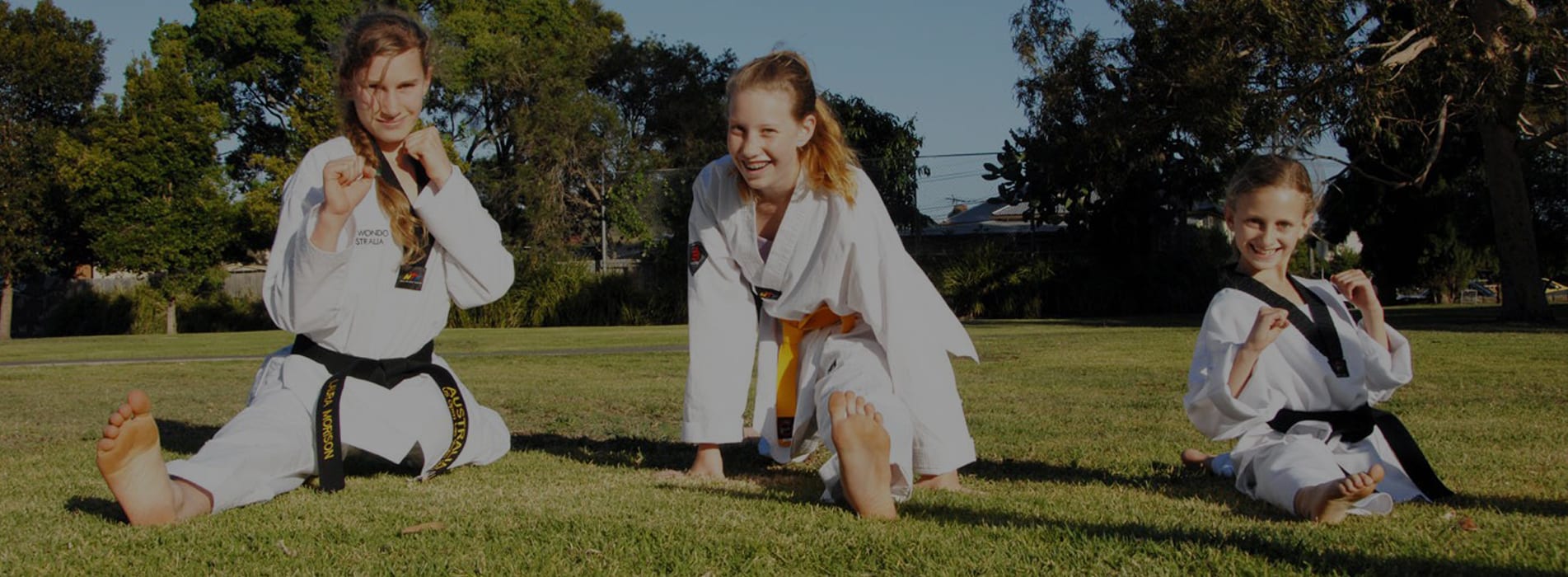
Is Strength Training Good for Martial Artists?
When programmed properly, strength training can help martial artists develop physical qualities that support martial arts performance.
These may include:
- Greater overall strength
- Improved power
- Better stability
- Stronger movement patterns
- Improved posture
- Better muscular balance
- Greater control
- Improved physical resilience
The key is choosing exercises and training methods that complement your martial arts goals.
A martial artist does not need to train like a bodybuilder.
The objective should be usable strength.
Strength Without Losing Speed
One of the most common myths is that strength training automatically makes martial artists slow.
That depends on how you train.
Martial artists need a combination of:
- Strength
- Speed
- Coordination
- Mobility
- Technique
- Timing
- Endurance
A balanced strength program can support these qualities without sacrificing movement.
The goal is not simply to lift the heaviest weight possible.
Instead, training should help you become stronger while maintaining the ability to move quickly and efficiently.
Why Strength Matters in Martial Arts
Martial arts requires the entire body to work together.
A punch is not created only by the arm.
A kick is not produced only by the leg.
Power comes from coordinated movement involving the:
- Feet
- Legs
- Hips
- Core
- Back
- Shoulders
- Arms
This is why martial arts strength training should focus on whole-body movement rather than isolated muscles alone.
Build Stronger Foundations for Martial Arts
Strength provides a physical foundation for many martial arts techniques.
Improving your strength can support:
Better Stability
Strong muscles help maintain controlled stances and body positioning.
More Powerful Movement
Greater force production can contribute to stronger martial arts movements when combined with correct technique.
Improved Balance
Strengthening the lower body and core can help improve stability and control.
Better Body Control
A stronger body can make it easier to maintain correct posture during complex movements.
Strength Training and Injury Prevention
No exercise program can completely eliminate the possibility of injury.
However, an appropriately designed strength program may help improve the body’s ability to tolerate physical demands.
Strengthening muscles that support the joints can contribute to better stability and physical resilience.
For martial artists, this is important because training often involves:
- Rapid direction changes
- Kicking
- Punching
- Rotational movement
- Balance
- Repeated impact
- Dynamic footwork
Good strength training should complement these demands without placing unnecessary stress on the body.
The Six Fundamental Movement Patterns for Martial Artists
A practical martial arts strength program should focus on movement patterns that involve multiple muscle groups.
These fundamental patterns can create a strong physical foundation.
1. Pushing
Pushing movements develop the chest, shoulders, triceps and core.
Examples include:
- Push-ups
- Dumbbell presses
- Overhead presses
These movements can support upper-body strength and stability.
2. Pulling
Pulling exercises strengthen the upper back, shoulders and arms.
Examples include:
- Rows
- Pull-ups
- Resistance-band pulls
A strong back can also help balance the large amount of pushing and striking movements performed during martial arts training.
3. Squatting
Squatting develops lower-body strength.
Examples include:
- Bodyweight squats
- Goblet squats
- Split squats
Strong legs provide a better foundation for stances, movement and kicking techniques.
4. Hinging
Hip-hinge movements help strengthen the hips, glutes and posterior chain.
Examples include:
- Hip hinges
- Romanian deadlifts
- Kettlebell deadlifts
These muscles play an important role in generating powerful movement.
5. Rotating
Rotation is central to many martial arts techniques.
Punches, kicks and defensive movements frequently involve controlled rotation through the hips and torso.
Training rotational control can improve how efficiently the body transfers force.
6. Stabilizing
The body must remain stable while other areas move.
Core stability exercises can help martial artists maintain better posture, balance and control.
Examples include:
- Planks
- Side planks
- Carrying exercises
- Anti-rotation exercises
Strength Training Should Support Technique
Technique should remain one of the highest priorities for martial artists.
Being strong does not automatically make someone technically skilled.
A powerful kick performed with poor balance or incorrect positioning is still a poor technique.
Strength training should help reinforce the physical qualities needed to perform martial arts more effectively.
Think of strength as an additional tool, not a replacement for martial arts practice.
1. Consider How Much Time You Have
Before beginning a strength program, consider your existing schedule.
Martial artists may already be balancing:
- Technical classes
- Conditioning
- Work
- School
- Family responsibilities
- Recovery
Adding too much extra training can make it difficult to recover properly.
Instead of trying to fit in as many sessions as possible, focus on the amount of training you can perform consistently.
A smaller number of well-planned sessions can be more useful than a complicated program you cannot maintain.
Quality Is More Important Than Quantity
Strength training does not need to dominate your weekly routine.
For many martial artists, it works best as a supporting element.
The priority should remain martial arts development.
Strength work should help you perform better during martial arts training rather than leave you constantly exhausted.
2. Define Your Training Goals
Every martial artist has different goals.
You may want to:
- Become stronger
- Improve speed
- Develop more power
- Improve fitness
- Strengthen weak areas
- Improve balance
- Support long-term training
Knowing your goal makes it easier to choose appropriate exercises.
Your Goals May Change Over Time
Beginners and experienced martial artists may require different training approaches.
As your martial arts ability develops, your physical needs may also change.
Strength programs should be reviewed and adjusted rather than followed unchanged forever.
3. Choose the Right Training Method
There are many ways to develop strength.
You can use:
- Bodyweight exercises
- Resistance bands
- Dumbbells
- Barbells
- Kettlebells
- Cable machines
- Medicine balls
You do not need complicated equipment to become stronger.
Simple exercises performed consistently and correctly can be extremely effective.
Bodyweight Training for Martial Artists
Bodyweight exercises are an excellent starting point for many martial artists.
Examples include:
- Push-ups
- Squats
- Lunges
- Planks
- Glute bridges
- Pull-ups
They can help develop strength while also improving body control.
Do Not Sacrifice Technique for Heavy Weight
Lifting heavier weights is not always better.
Poor technique can reduce the quality of an exercise and increase unnecessary physical stress.
Strength exercises should be performed with:
- Good posture
- Controlled movement
- Appropriate resistance
- Proper technique
- Gradual progression
If you are unsure how to perform an exercise, seek guidance from a qualified trainer or coach.
Strength Training for Speed and Power
Martial artists need more than slow strength.
They also need the ability to produce force quickly.
Once a good strength foundation has been developed, training may include more explosive movements where appropriate.
Examples can include:
- Medicine ball throws
- Controlled jumps
- Explosive push-ups
- Kettlebell exercises
These exercises should only be introduced when the athlete has sufficient technique, strength and control.
Mobility Must Remain a Priority
Strength without mobility can limit movement.
Martial artists need enough mobility to perform:
- Kicks
- Stances
- Rotations
- Footwork
- Defensive movements
A balanced training program should therefore include:
- Strength
- Mobility
- Flexibility
- Technique
- Recovery
The goal is to build strength while maintaining freedom of movement.
Recovery Is Part of Training
More training does not always mean better results.
Your body needs time to recover and adapt.
Good recovery habits can include:
- Adequate sleep
- Rest days
- Proper nutrition
- Hydration
- Mobility work
- Managing training intensity
Consistent martial arts training combined with sensible strength work and recovery can support long-term progress.
Avoid Training Every Session at Maximum Intensity
Not every workout needs to leave you exhausted.
Martial artists need energy for technical practice.
If strength training constantly reduces the quality of your martial arts classes, your program may need to be adjusted.
The best plan is one that allows your strength and martial arts training to work together.
Strength Training for Kids and Teens
Strength training can also be introduced to younger martial artists when it is age-appropriate, supervised and focused on correct movement.
For younger students, the priority should generally be:
- Body control
- Coordination
- Balance
- Good movement patterns
- Technique
- Confidence
- Gradual progression
Bodyweight exercises can be an excellent way to introduce these concepts.
Families interested in structured children’s programs can learn more about Kids Martial Arts in Greenacre.
Strength Training for Adult Martial Artists
Adults can benefit from strength training at almost every stage of their martial arts journey.
Whether you are a beginner or experienced practitioner, building strength can complement:
- Fitness
- Mobility
- Balance
- Coordination
- Power
- Confidence
The program should always reflect your age, experience, training history and physical condition.
Martial Arts Training Is About the Whole Body
One of the most important principles in martial arts is that the body must move as a coordinated unit.
Strong individual muscles are useful, but they become much more valuable when they work together effectively.
That is why martial arts strength training should prioritise:
- Whole-body movements
- Coordination
- Stability
- Strength
- Mobility
- Control
These qualities create a stronger foundation for martial arts performance.
Why Choose Pinnacle Martial Arts Academy?
At Pinnacle Martial Arts Academy, our martial arts programs are designed to develop the whole student.
Our training can help students work towards:
- Strength
- Fitness
- Speed
- Coordination
- Balance
- Martial arts technique
- Confidence
- Discipline
- Focus
- Self-defence awareness
Rather than focusing on only one physical quality, our approach combines different elements of martial arts development into structured and progressive training.
Martial Arts in Marrickville, Chester Hill and South West Sydney
Students looking for comprehensive martial arts training can explore our programs across Sydney, including:
Martial Arts in South West Sydney
Whether your goal is fitness, martial arts skills, confidence or long-term physical development, the right training environment can help you progress.
Build Strength That Supports Your Martial Arts
Strength training and martial arts do not need to compete with each other.
When planned correctly, they can work together.
A strong martial artist should aim to combine:
Technique + Strength + Speed + Mobility + Recovery + Consistency
The best strength program is not necessarily the most complicated or intense.
It is the program that supports your martial arts training, fits your lifestyle and allows you to continue progressing over the long term.
Take Your Martial Arts Training to the Next Level
At Pinnacle Martial Arts Academy, we provide comprehensive and dynamic martial arts training designed to help students develop physically and mentally.
Whether you are a beginner, an experienced practitioner or a parent searching for quality martial arts training for your child, our instructors can help you build strong foundations and continue progressing.
Train smarter. Build strength. Improve technique. Develop confidence. Reach your Pinnacle.
Start your martial arts journey with Pinnacle Martial Arts Academy today.
Pinnacle Martial Arts in Sydney is ideal for Fitness, Discipline, Self Defence, Character & Physical Development
At Pinnacle in Marrickville Inner West and Chester Hill Bankstown Area South West Sydney, we have incorporated many disciplines and integrated the dynamics of Sports Taekwondo, Kung Fu, Korean Karate, Traditional Taekwondo, Hapkido, Boxing, Kick Boxing and fitness to provide the most practical and effective Martial Arts self defence techniques for kids, teens and adults.
We have adopted these disciplines to complement each other thus creating the fast, powerful, exciting and dynamic Pinnacle style. Pinnacle Martial Arts Taekwondo Academy designed popular programs to suit the specific ages and levels of our members.
You can visit our popular Pinnacle Martial Arts branch in Marrickville Inner West Sydney at:
23 Yabsley Ave, Marrickville NSW 2204
You can visit our popular Pinnacle Martial Arts branch in Chester Hill, Bankstown Area South West Sydney at:
12 Banool St, Chester Hill NSW 2162
or Contact us on 0410 686 585
Website: pinnaclemartialarts.com.au
Email: info@pinnaclemartialarts.com.au
Facebook: www.facebook.com/sydneypinnaclema
Instagram: www.instagram.com/pinnaclemartialartssydney
🥇 Sign Up for the Best Martial Arts in Marrickville Inner West Sydney
Convenient Sydney Locations for Pinnacle Taekwondo Martial Arts Near Me
📍 Pinnacle Karate Martial Arts Marrickville (Headquarters) 23 Yabsley Ave, Marrickville, Inner West Sydney
📍 Pinnacle Taekwondo Martial Arts in Chester Hill 12 Banool St, Chester Hill, Bankstown Area, Southwest Sydney
📍 Pinnacle Taekwondo Martial Arts in Penrith Penrith Baptist Church, Morello Terrace, Caddens, Western Sydney
📍 Pinnacle Karate Martial Arts in Earlwood (Canterbury Bankstown Area) Martial Arts, Fitness, and Karate Self-Defence Programs Across Sydney
#Taekwondo #TaekwondoSydney #MartialArtsSydney #Karate #SelfDefence #MartialArts #ConfidenceBoost #MartialArtsMarrickville